MEDICAL IMAGING
Bringing ultrasound expertise to patients, even at a distance
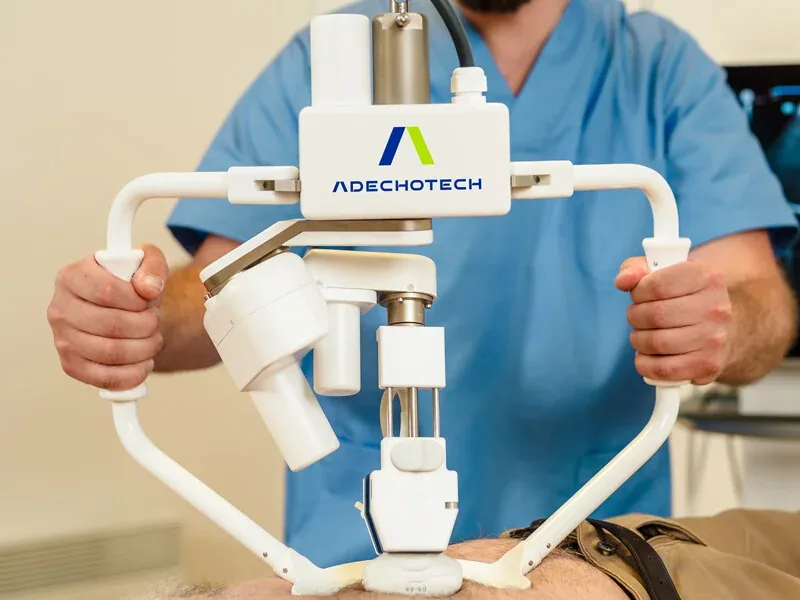
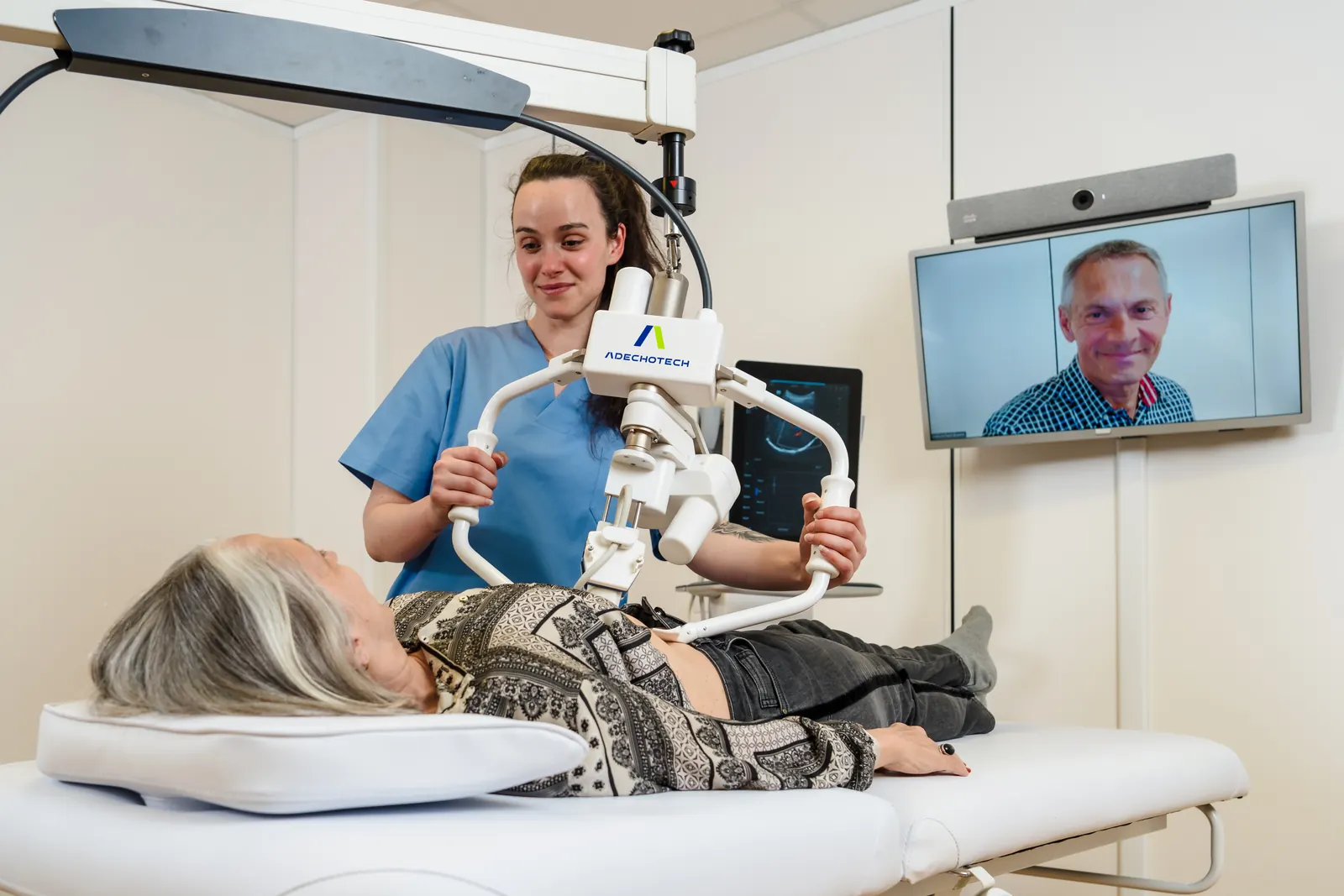
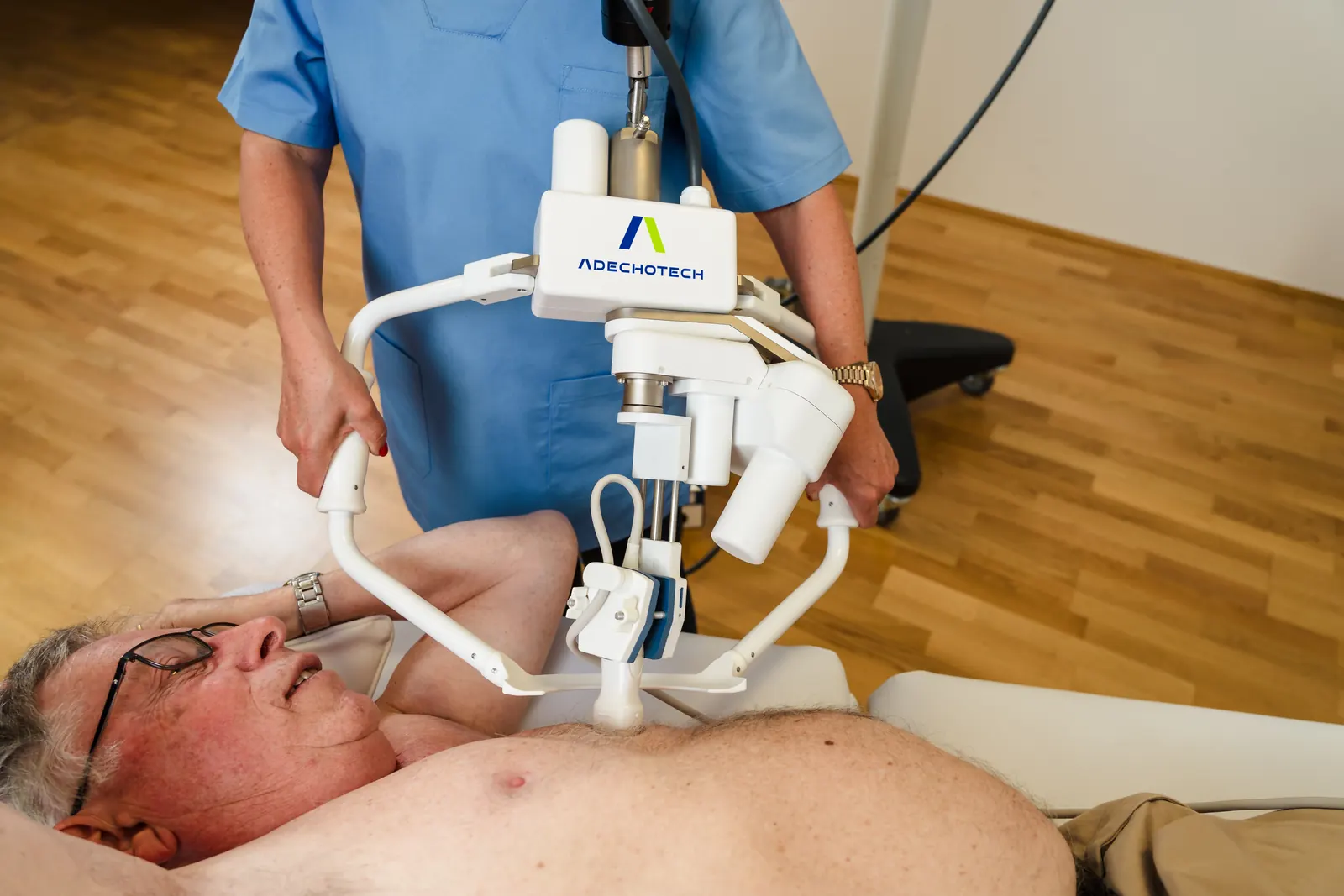
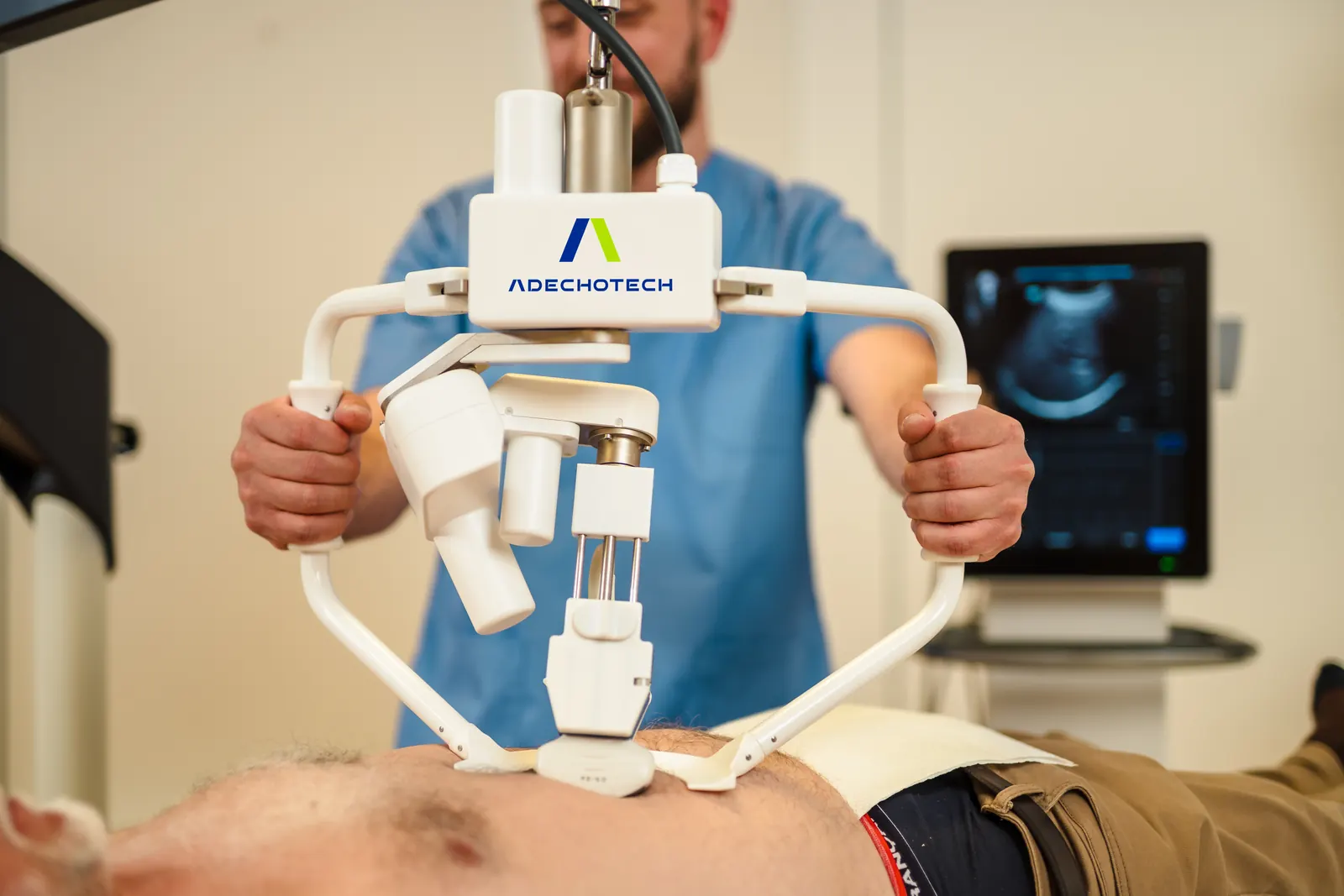
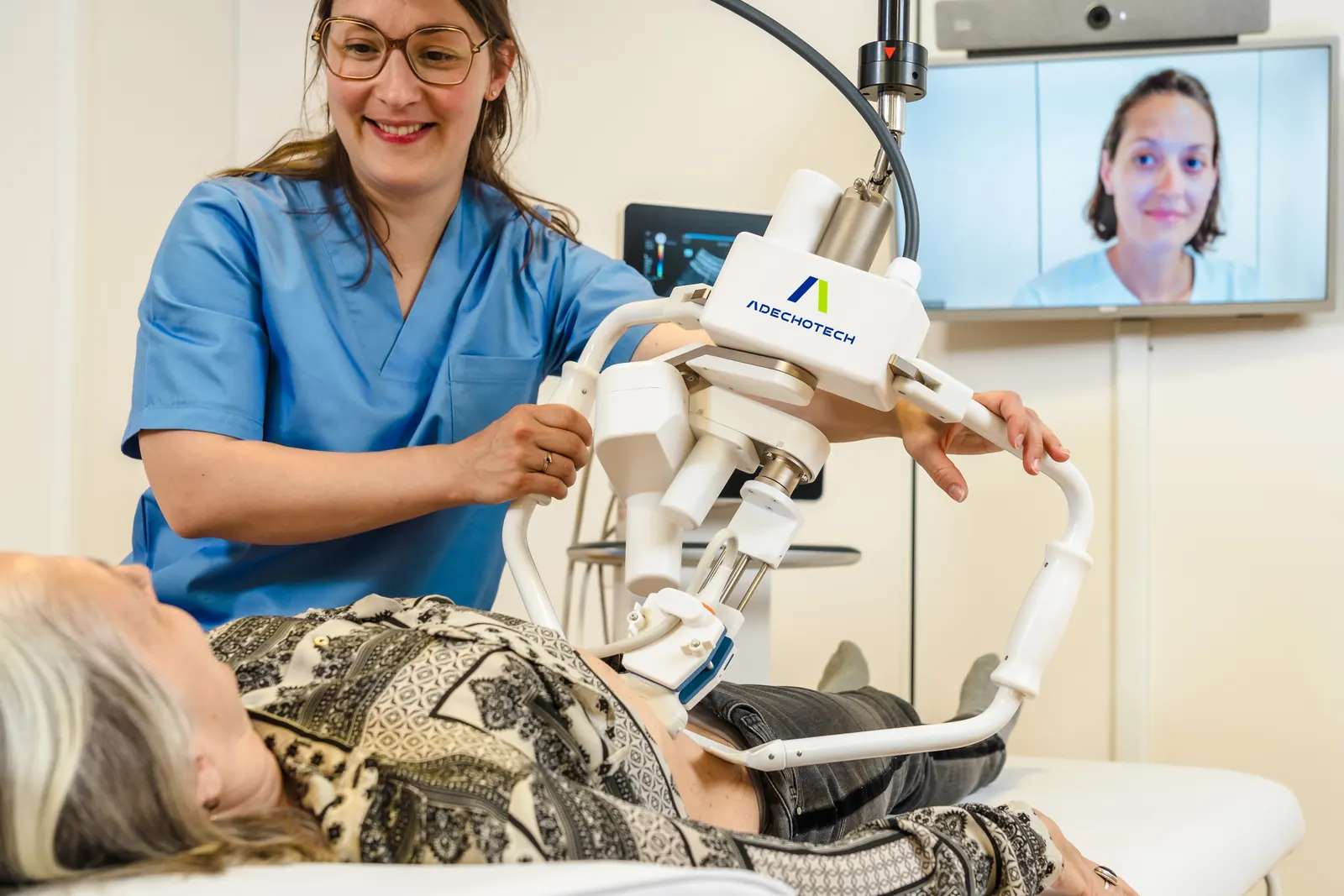
MELODY is a robotic tele-ultrasound solution designed and manufactured in France by AdEchoTech. It allows a physician, a radiologist or a sonographer to perform an examination remotely by controlling, in real time, a robotic probe installed next to the patient. The specialist keeps control of the probe's movements, the images and the ultrasound system's settings, while communicating by videoconference with the patient and the professional on site.
This approach aims to improve access to specialized examinations in rural, remote or underserved regions, while reducing avoidable travel for patients and professionals.
VIDEO
MELODY, the medical robot that changes everything
HOW IT WORKS
How MELODY works
1
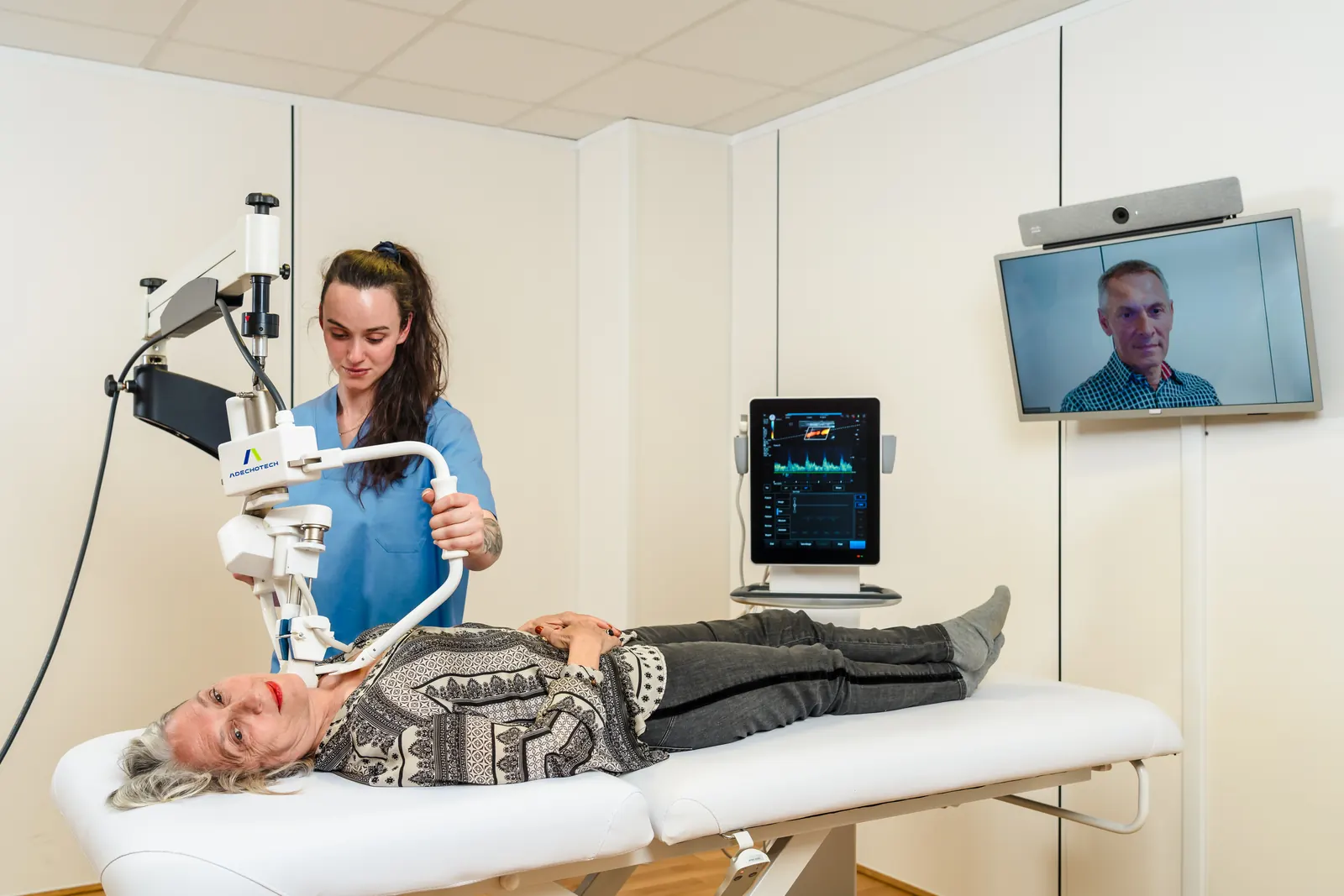
The patient comes to a nearby facility equipped with the MELODY system and a compatible ultrasound system.
2
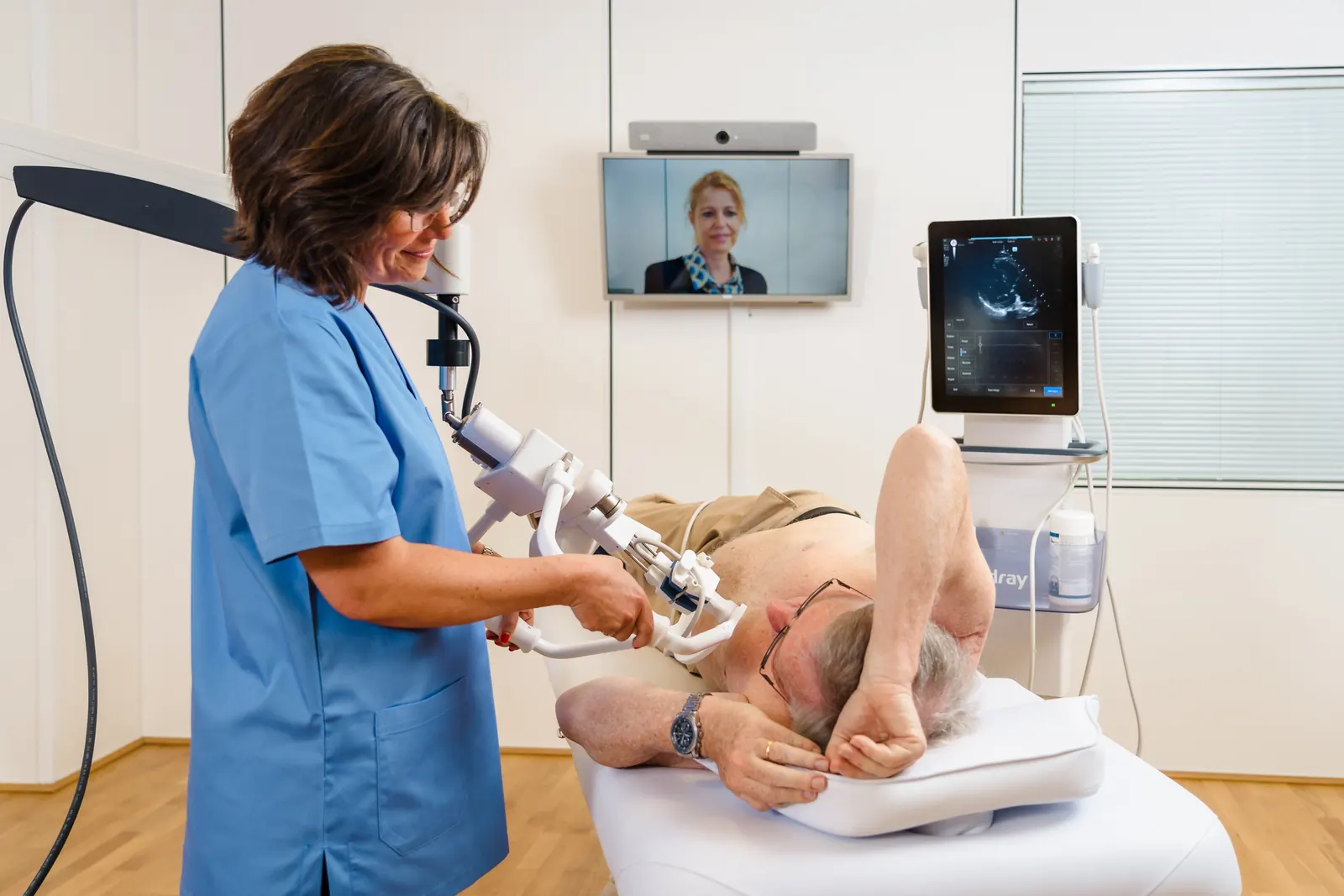
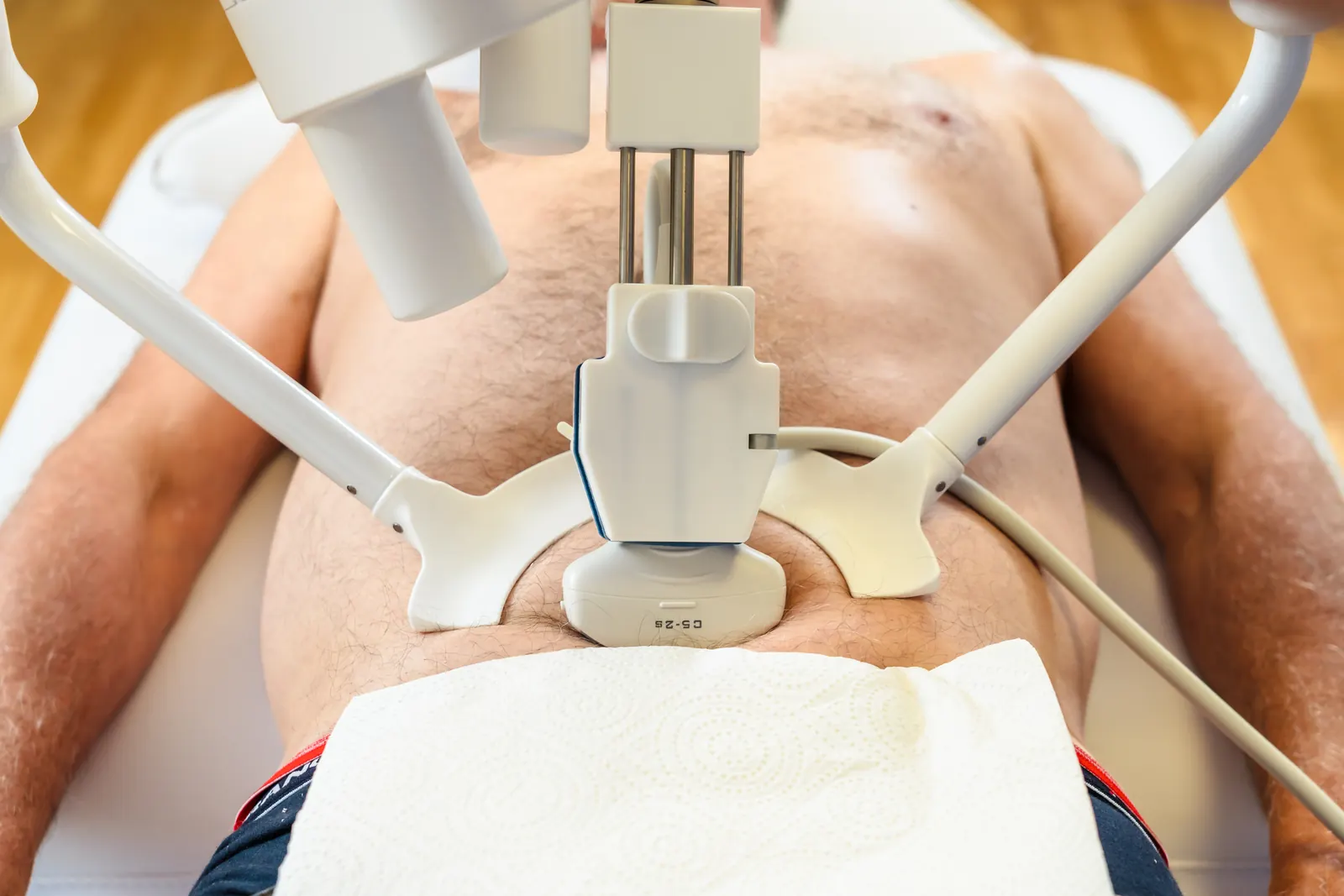
A trained healthcare professional settles the patient, positions the robotic arm on the area to be examined and stays with the patient throughout the examination.
3
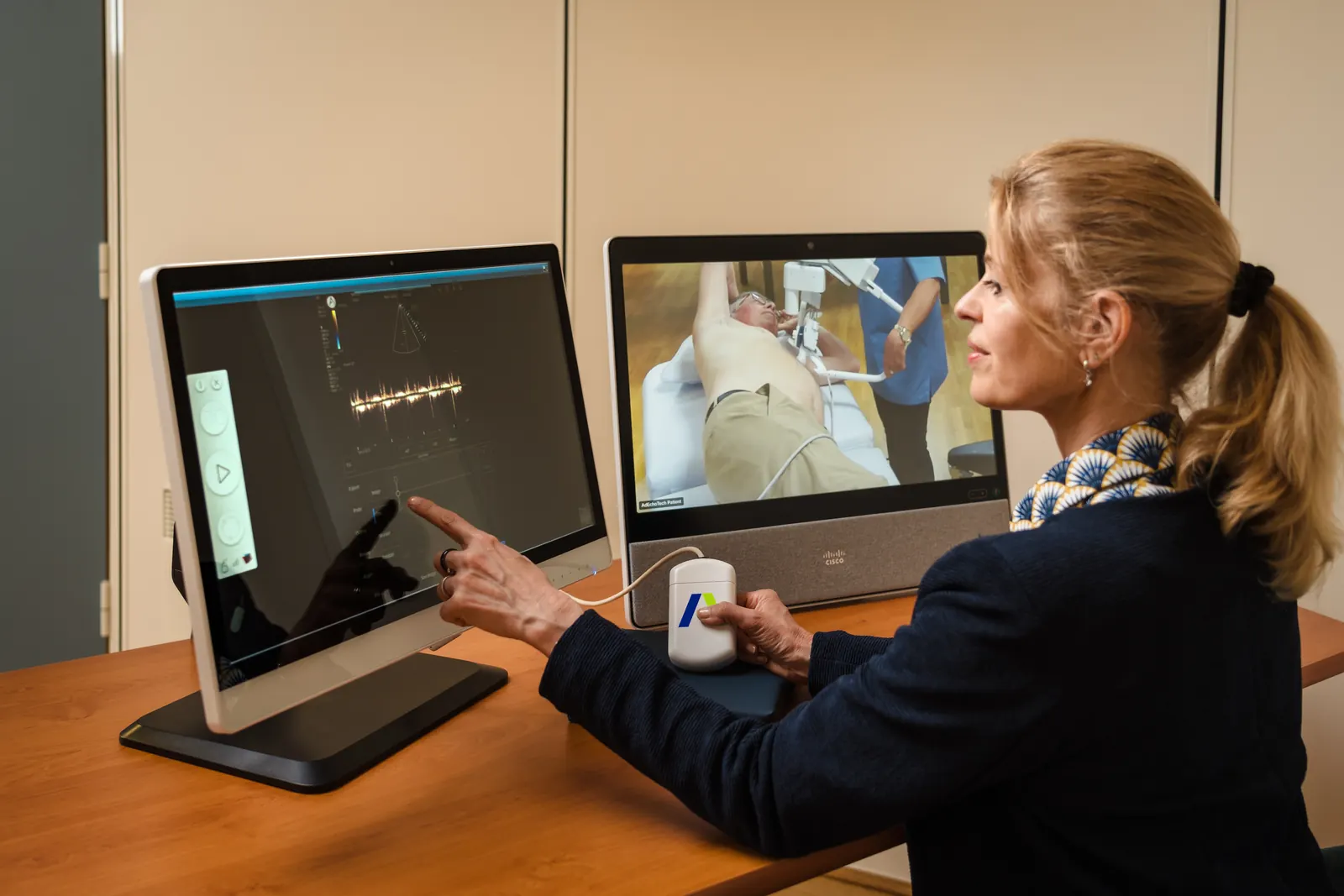
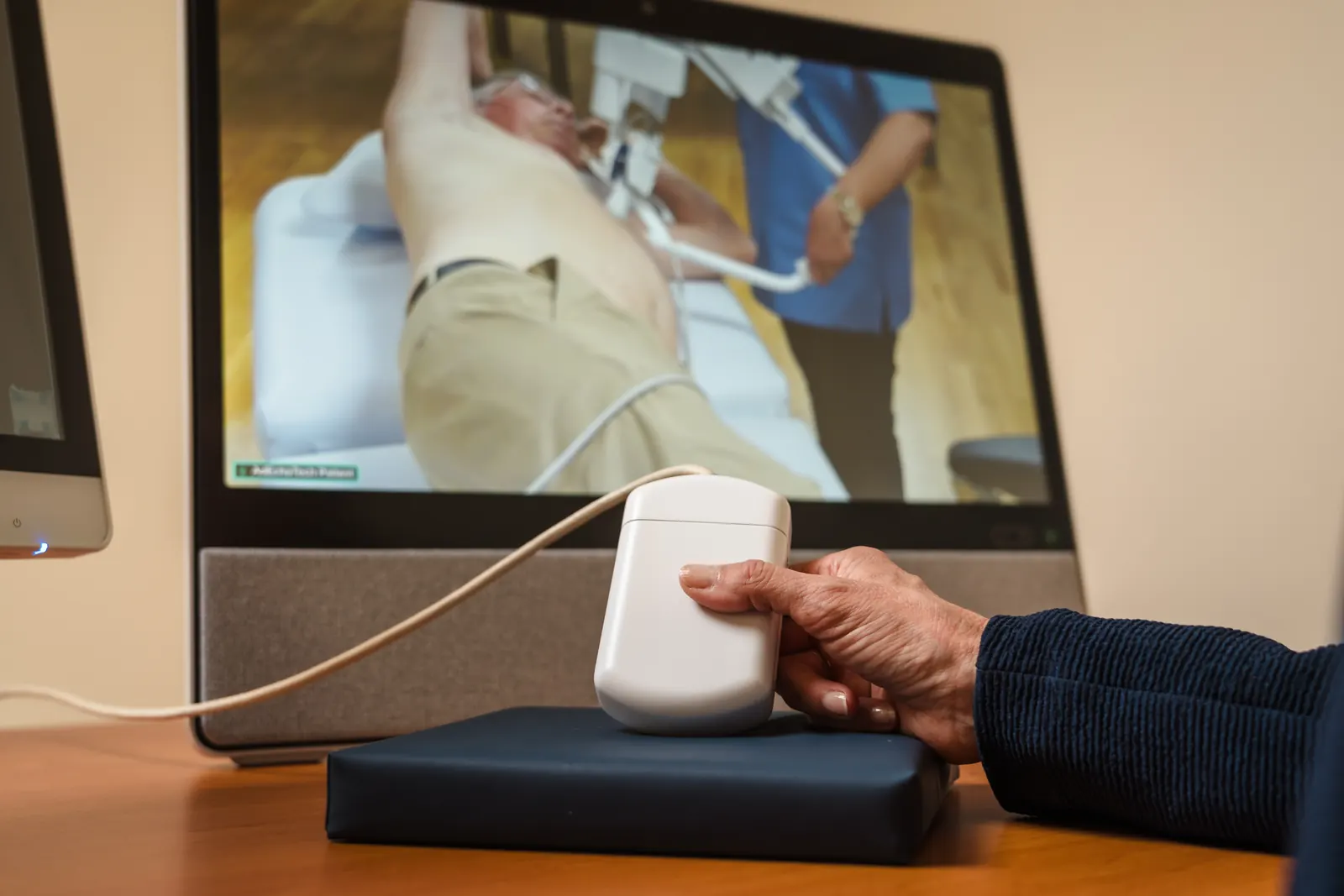
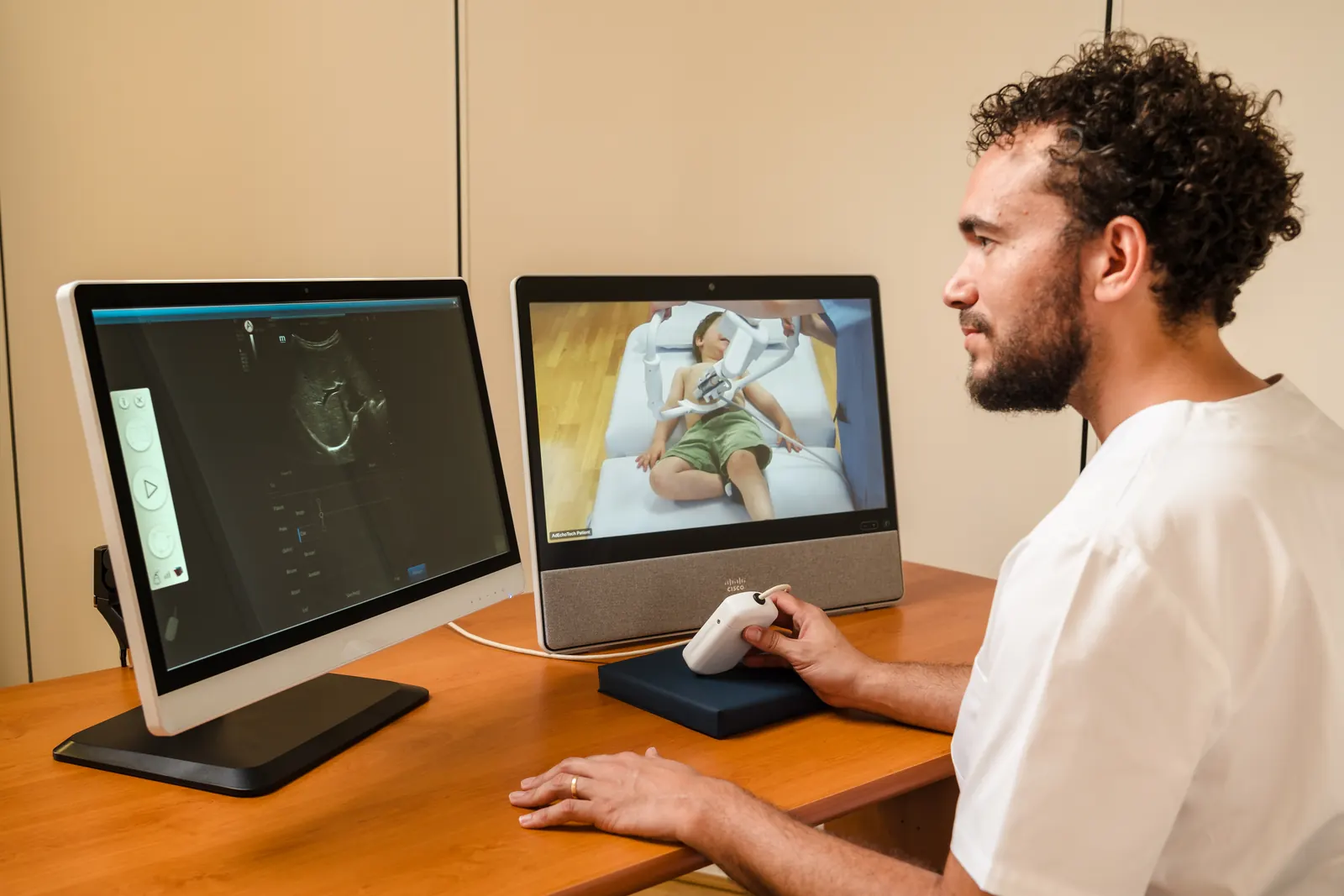
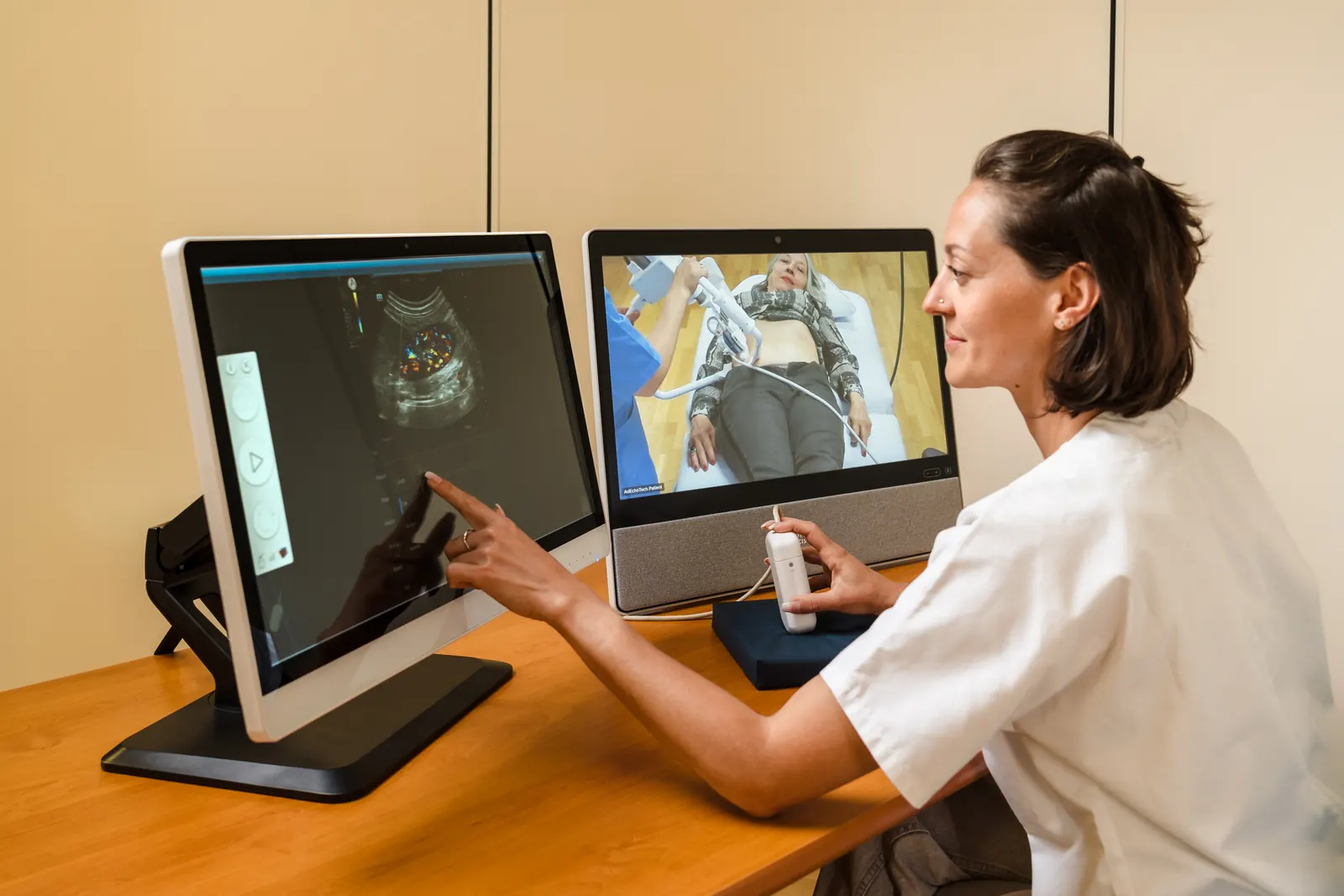
Remotely, the specialist handles a twin probe. Their movements are reproduced in real time by the robotic arm at the patient's site.
4
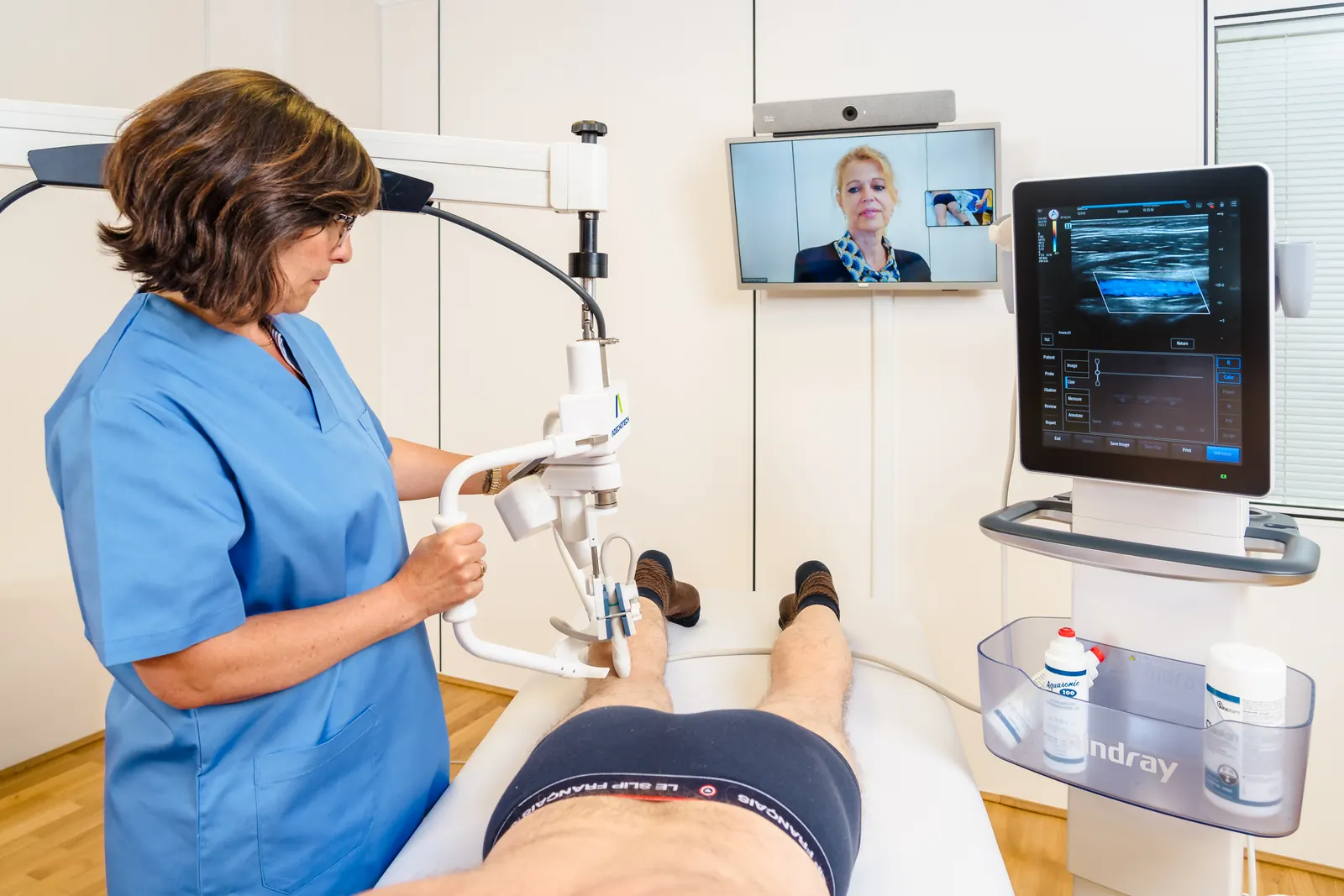
The specialist views the images, adjusts the ultrasound system's settings, takes measurements and communicates with the patient and the local operator by videoconference.
According to AdEchoTech, the system can operate from a 2 Mbit/s connection and supports several types of networks, including ADSL, fibre, cellular networks, radio and satellite.
THE SOLUTION
What the solution includes
- An expert station allowing the specialist to control the probe and view the images live.
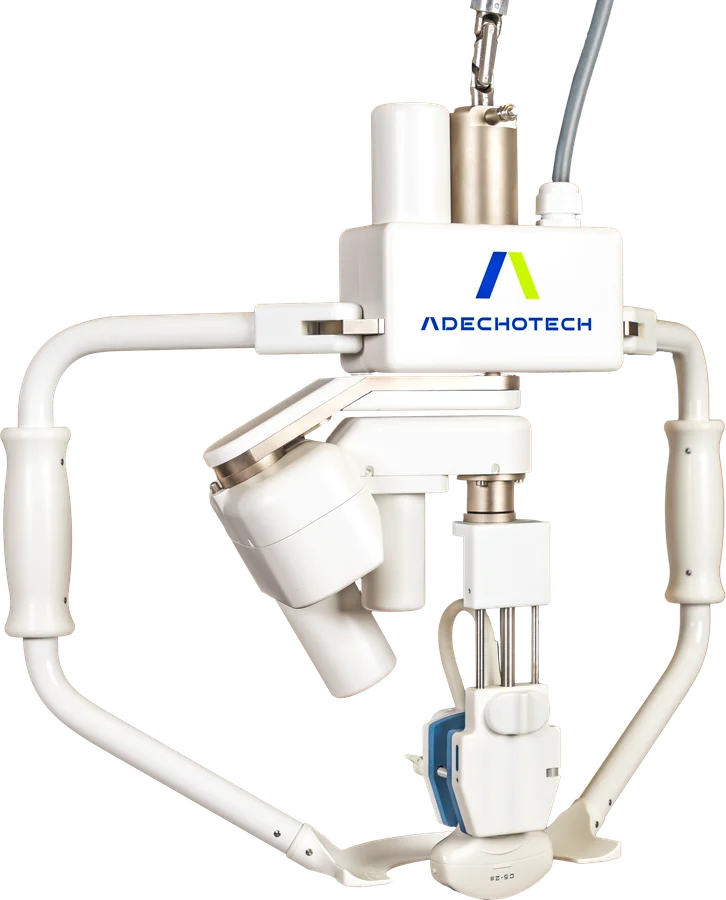
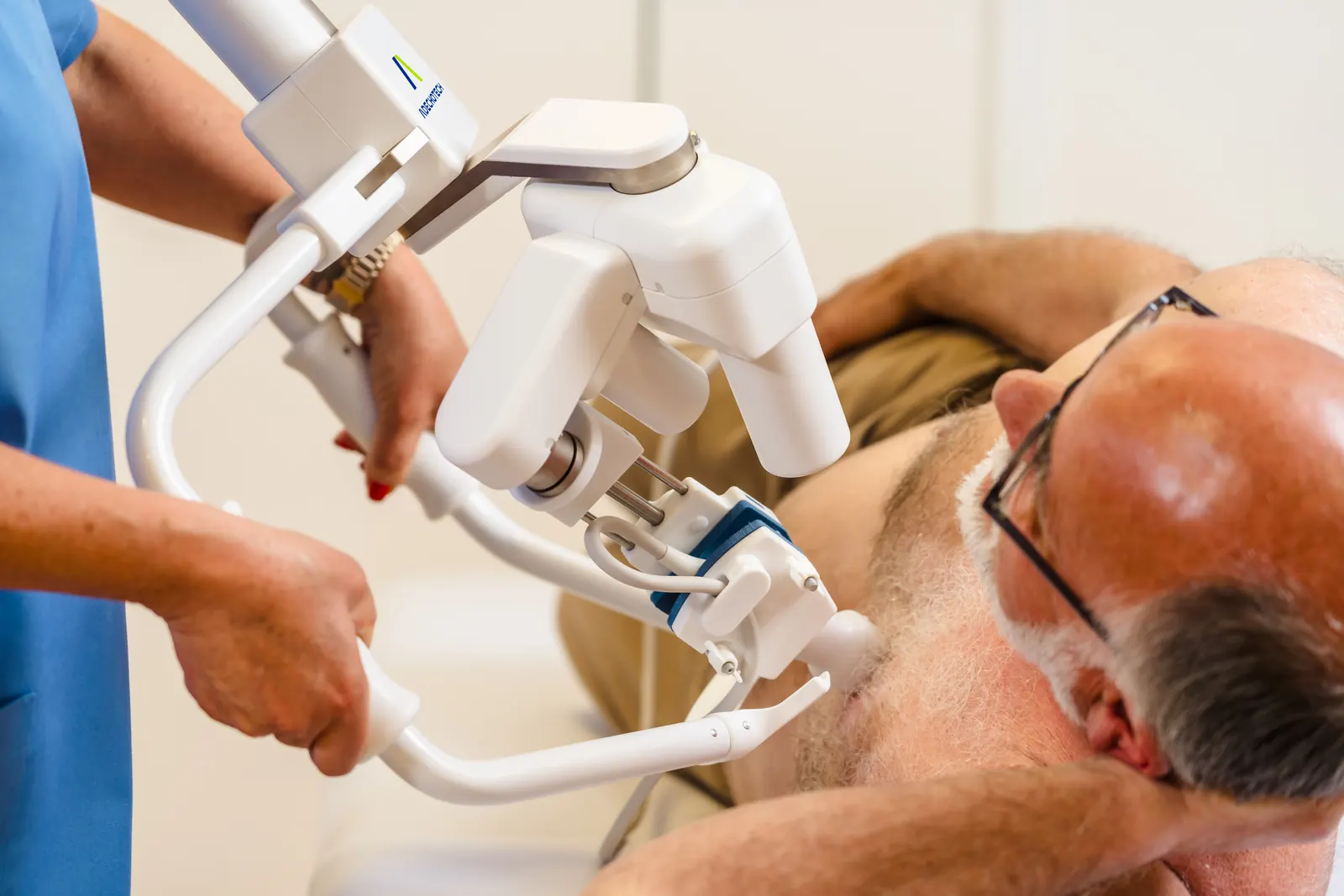
- A remotely operated robotic arm at the patient's site, designed to hold different types of standard probes.
- An ultrasound system at the patient's site.
- A videoconferencing and encrypted data exchange solution, depending on the chosen configuration.
CANADIAN EXPERIENCE
Canadian experience in Saskatchewan
MELODY has been deployed in Saskatchewan since 2018 as part of telehealth initiatives aimed at serving rural and northern communities. The specialist can be in Saskatoon while the patient is received in a facility located several hundred kilometres away. A local professional prepares the patient and assists with the examination; the specialist directs the ultrasound remotely and then sends their report according to the established clinical pathway.
This use illustrates particularly well the value of the solution in Canada: some communities face long distances, travel by plane, difficult road conditions and limited availability of specialists. Remote robotic ultrasound makes it possible to offer certain examinations closer to where patients live, when the clinical context and the organization of care allow it.
Reported results
- A Canadian study published in 2025 on access to telerobotic ultrasound in Saskatchewan reports high patient satisfaction and good acceptability of the technology.
- The experience highlights three success factors: the accessibility of the service, the speed of the diagnostic pathway and the coordination between the patient's site and the centre where the specialist is located.
- The model helps limit certain patient transports, without eliminating the transfers needed when the clinical condition requires in-person care.
VIDEOS
MELODY in video
Presentation of the MELODY solution
A Canadian example: telerobotic ultrasound in southern Saskatchewan
HISTORY
History and development
Founding of AdEchoTech by Dr. Éric Lefebvre. Development of the MELODY project with the support of CNES and the European Space Agency.
Start of the first clinical trials with several university hospital centres to evaluate robotic tele-ultrasound.
Tele-ultrasound experience linked to astronaut Thomas Pesquet's Proxima mission; FDA marketing authorization in the United States, according to AdEchoTech.
Deployment of MELODY in Saskatchewan to provide care to remote communities.
Used in more than 60 facilities in France and internationally, including Canada, the United States, the United Kingdom and Spain, according to AdEchoTech.
BENEFITS
Benefits of the solution
For patients
- Access to specialized expertise closer to where they live.
- Possible reduction in travel, waiting time and the stress associated with transport.
- Direct exchange with the specialist through videoconferencing.
- Support for the continuity of the care pathway in underserved regions.
For facilities
- Access to ultrasound expertise without requiring a specialist to be permanently present at each site.
- Optimization of human resources, logistics and the use of local equipment.
- Potential reduction in costs associated with patient transport and specialist travel.
- Possibility of extending the range of imaging services in remote facilities.
For specialists
- Remote control of the probe, the images and the ultrasound system's settings.
- Ability to serve several sites without direct geographical constraints.
- Clinical interaction maintained with the patient and the local operator.
- Possible integration into secure telehealth and remote work models.
COST REDUCTION
Potential reduction in costs and logistical constraints
Cost reduction comes mainly from the organization of care rather than from a guaranteed saving per examination. Depending on the volume, the distances and the deployment model, MELODY can help reduce:
- ground or air transport of patients to a specialized centre;
- specialists' travel and travel time;
- certain accommodation and escort costs associated with distant appointments;
- organizational delays that can prolong a stay or delay a clinical referral.
APPLICATIONS
Areas of application
| Area | Examples presented by the manufacturer |
|---|---|
| General imaging | Liver, kidneys, spleen, gallbladder, thyroid. |
| Cardiology | Monitoring of heart failure and of certain cardiovascular conditions. |
| Obstetrics | Pregnancy monitoring and screening according to clinical indications. |
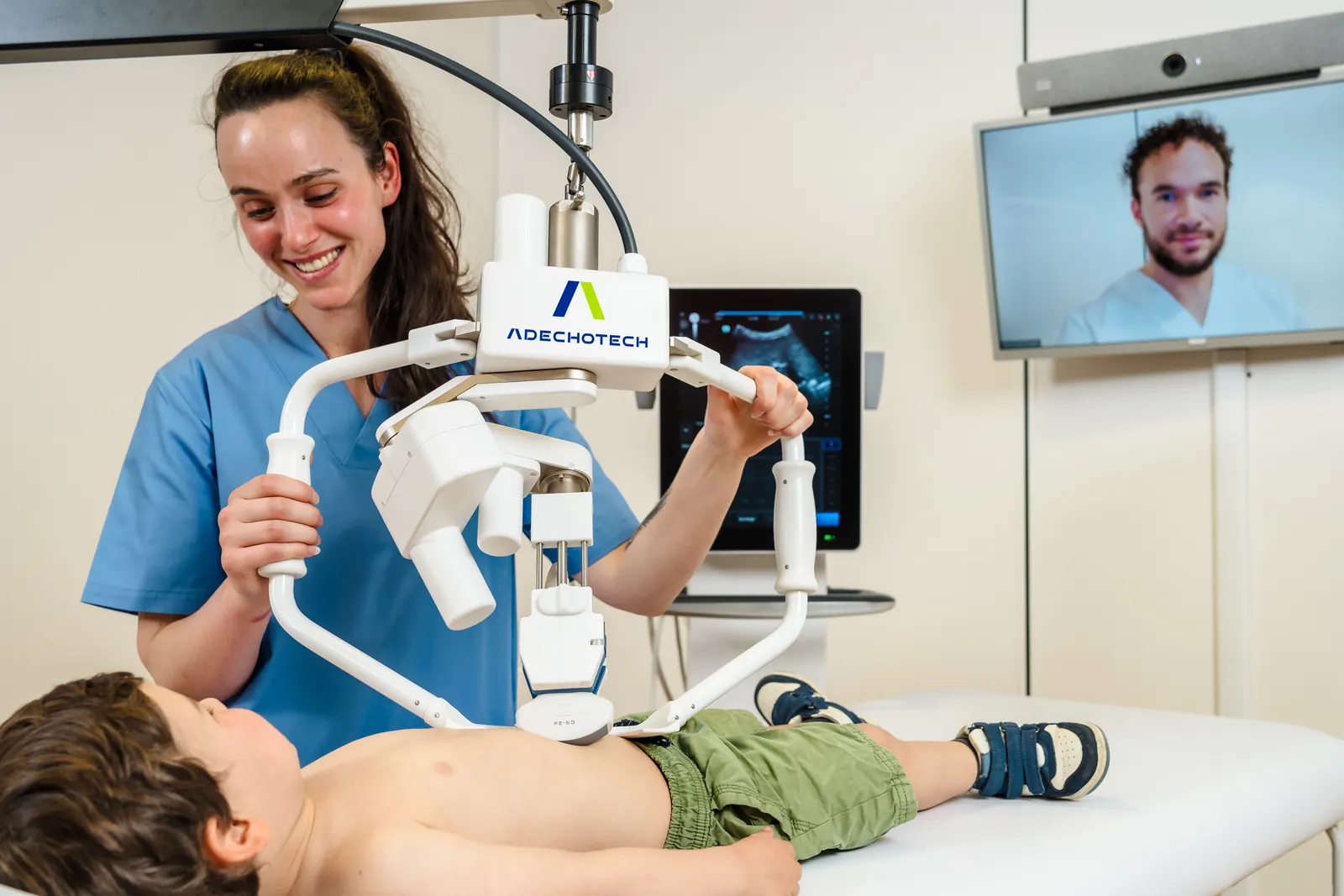
| Paediatrics | Pulmonary, cardiac and abdominal examinations according to indications. |
| Vascular and Doppler | Detection of thrombosis and aneurysm, and assessment of arterial or venous flow. |
| Urology | Detection of obstruction and assessment of certain urological indications. |
Applications and availability may vary depending on the configuration, the authorizations and the facility's protocols.
CLINICAL RESEARCH
Medical research and clinical validation
MELODY robotic tele-ultrasound has been the subject of clinical work comparing remote examinations with conventional examinations.
- A Canadian study published in 2017 on adult abdominal ultrasound reported 92% diagnostic concordance in a group of 18 patients, with comparable measurements and good acceptability.
- Paediatric work has also evaluated the concordance of cardiac and pulmonary examinations performed telerobotically.
These results must be read in their context: the small size of some samples, specific clinical areas and the need to follow the indications, protocols, regulatory authorizations and professional responsibilities that apply where the solution is used.
Medical references
- Adams SJ et al. Initial Experience Using a Telerobotic Ultrasound System for Adult Abdominal Sonography. Canadian Association of Radiologists Journal, 2017.
- Khan A et al. Enhancing Ultrasound Access in Rural Saskatchewan: A Mixed Methods Study of Telerobotic Technology. Journal of Diagnostic Medical Sonography, 2025.
- Delestrain C et al. Cross comparison of Telerobotic and Conventional Ultrasound in Children. Revue des Maladies Respiratoires Actualités, 2023.
GALLERY
MELODY in pictures
FAQ
Frequently asked questions
Yes. The specialist remotely controls the movements of the probe and can view the images and adjust the ultrasound system's settings in real time.
They welcome and settle the patient, position the robot according to the specialist's instructions and make sure the examination runs smoothly. They do not replace the specialist, who performs the ultrasound examination.
AdEchoTech presents MELODY as compatible with standard ultrasound systems and videoconferencing systems. The exact compatibility must be confirmed for each configuration.
According to AdEchoTech, the solution works from 2 Mbit/s and can use ADSL, fibre, cellular networks, radio or satellite.
It can be considered in particular in hospitals, clinics, care centres, remote communities, correctional facilities and mobile units, depending on the needs and the applicable requirements.
Discuss your tele-ultrasound project
Request a demonstration of MELODY or get information on integration and deployment.